

Bővebben a filmről
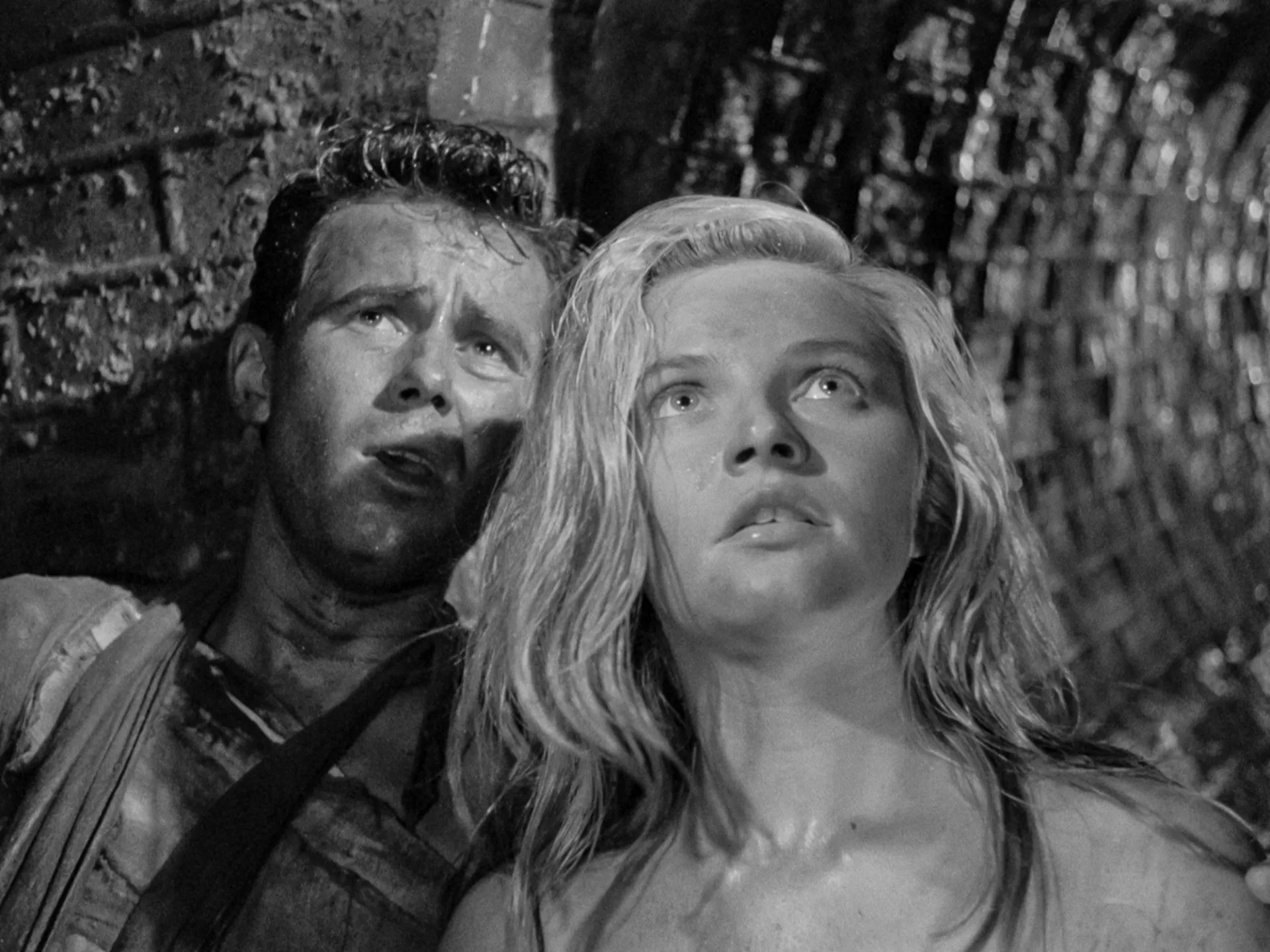
1944 augusztusában a lengyel ellenállók felkelést robbantottak ki Varsóban. A Honi Hadsereg tagjai két hónapon át hősiesen tartották a német és szovjet haderő közé szorult várost, de végül fel kellett adniuk a harcot. A film egy túlélő, Jerzy Stefan Stawiński visszaemlékezésein alapul, és a csatornarendszerbe szorított felkelők tragédiájának állít emléket. A föld alatti labirintusban zajló utolsó küzdelem pokoli drámáját remek színészi játék és bravúros operatőri megoldások teszik átélhetővé. Andrzej Wajda háborús trilógiájának második darabja1957-ben elnyerte a Cannes-i zsűri különdíját és világszerte ismertté tette a rendezőt. A filmet a Lengyel Filmiskola első jelentős alkotásának is tekintik.
The Polish uprising breaks out in Warsaw in August 1944. For two months, members of the Home Army valiantly battle in the city encircled by the German and Soviet armies, but finally they are forced to surrender. The film is based on the recollections of one survivor, Jerzy Stefan Stawiński, and is a tribute to the tragedy of resistance fighters who moved into the sewers to evade capture. The whole hellish drama of the final struggle endured in the underground labyrinth is brought to life by superb acting and amazing cinematographic effects. The second part of Andrzej Wajda’s war trilogy won the jury special prize at Cannes in 1957 and made the director internationally famous. The film can also be considered the first significant work of the Polish Film School.